Smart Storage Ideas for Small Homes
Small homes can be wonderful: they are cosier, easier to clean, and often cheaper to run. The main challenge is storage. Without a plan, clothes, books, kitchen tools, and everyday items can quickly take over every surface.
Smart storage is not about buying dozens of boxes or filling every corner. It is about using the space you already have more cleverly, keeping what you need within reach, and letting go of what you no longer use. This guide shares practical ideas for every room, so you can enjoy a tidier, calmer home without a major renovation.
Start by Decluttering
Before adding new storage, take time to declutter. Storage works best when it holds things you actually use and value. Go room by room and sort items into three groups: keep, donate or sell, and recycle or discard. Be honest about duplicates, broken items, and things you have not used in a year.
Decluttering does not have to happen in one day. Try one drawer, one shelf, or one cupboard at a time. Even fifteen minutes a day can make a noticeable difference over a few weeks, and it makes every storage idea below work better.
Use Vertical Space
Walls Are Storage Too
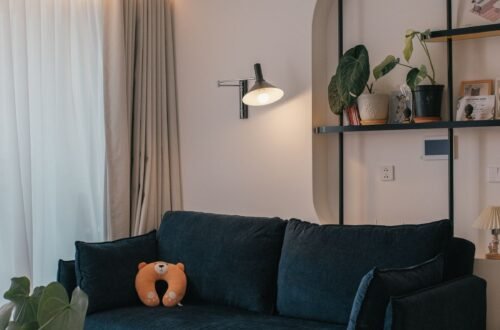
When floor space is limited, walls become valuable. Tall bookshelves, floating shelves, and wall hooks can store a surprising amount without crowding the room. In the kitchen, a wall rail for utensils or a magnetic strip for knives frees up drawer and counter space. In the bathroom, shelves above the door or toilet can hold towels and toiletries.
Keep frequently used items at easy reach, and place rarely used items higher up. Avoid overloading shelves, as crowded shelves can look messy and feel unsafe. Leave a little breathing room between items.
Think About Doors and Corners
The back of a door is often wasted space. Over-door hooks or a slim organiser can hold coats, bags, cleaning supplies, or shoes. Corners, too, are often overlooked. A corner shelf, a small corner desk, or a rotating organiser in a kitchen cupboard can turn an awkward space into useful storage.
Choose Furniture With Hidden Storage
Beds, Sofas, and Ottomans
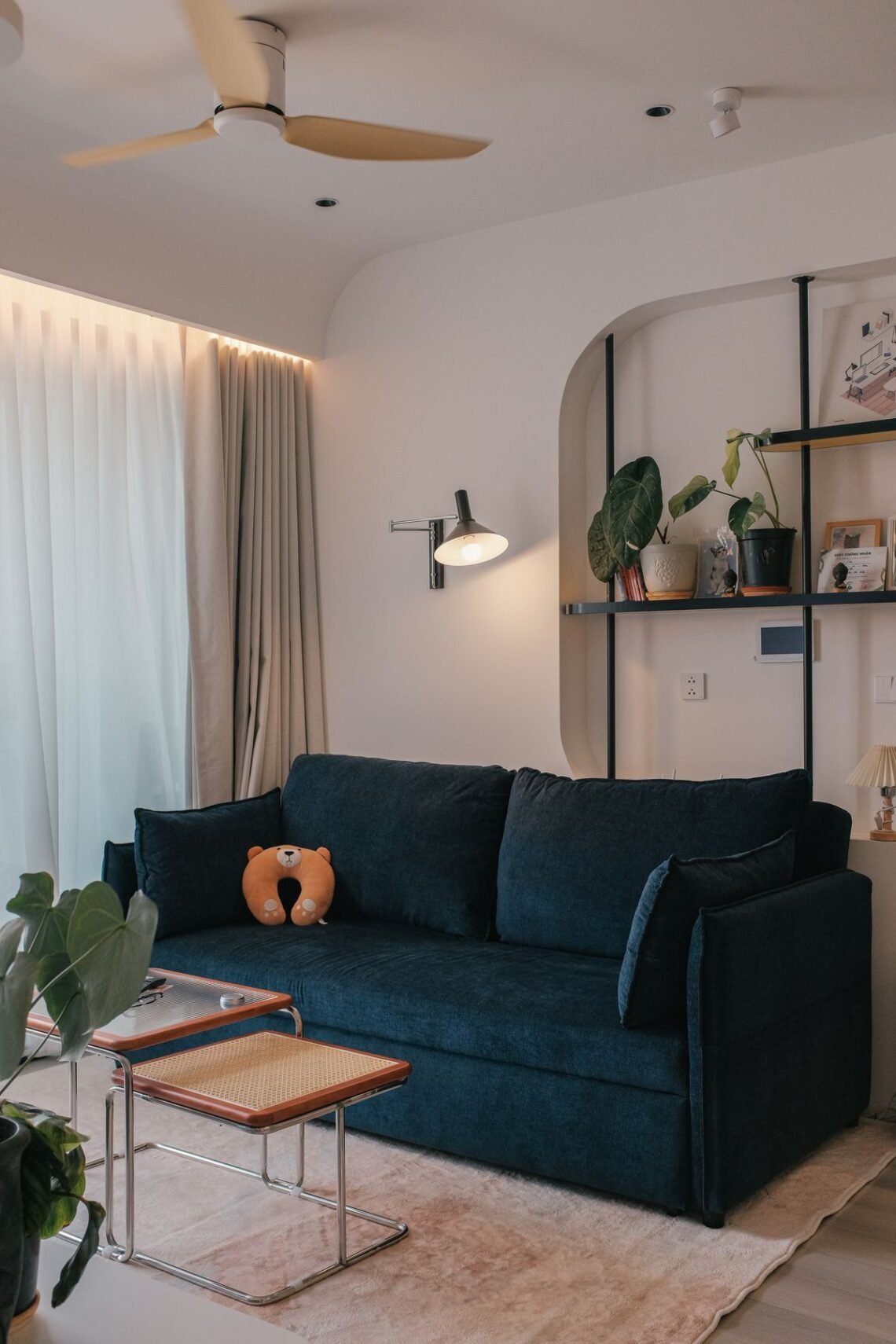
Furniture that stores as well as serves is ideal for small homes. A bed with drawers underneath, an ottoman that opens up, or a sofa with storage inside can hide bedding, seasonal clothes, or board games. A bench by the front door with storage inside is perfect for shoes, umbrellas, and bags.
Measure carefully and check that drawers and lids open easily in your space.
Tables and Desks That Do More
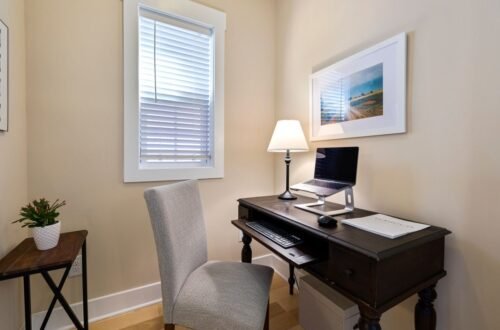
A coffee table with a shelf underneath, a desk with built-in drawers, or a dining table with fold-out leaves can all save space. Nesting tables are another smart choice: they tuck away when not needed and pull out when guests visit. Look for pieces that match your home’s style, so storage feels like part of the design rather than an afterthought.
Organise Room by Room
Kitchen Storage
Group similar items together: cooking tools near the stove, plates near the sink, and dry food in one cupboard. Use clear jars for pantry staples, shelf risers and drawer dividers inside cupboards, and keep counters clear by storing rarely used appliances higher up.
Bedroom and Wardrobe Storage
Use the space under the bed for out-of-season clothes or extra bedding in labelled boxes. Slim, matching hangers and drawer dividers free up wardrobe space, and a seasonal rotation helps when space is very tight.
Bathroom and Hallway Storage
Bathrooms benefit from small, targeted storage: a shelf above the sink, a basket for towels, and a caddy for daily toiletries. Avoid keeping too many products on display, as this can make a small bathroom feel cluttered. Keep daily essentials accessible and store spares elsewhere.
In hallways, a narrow console table, wall hooks, and a small basket for keys and mail can prevent clutter from spreading into other rooms. A shoe rack or tray by the door keeps footwear tidy and protects floors.
Make Storage Look Good
Matching baskets, labelled boxes, and neat jars can make shelves look intentional. Choose containers that fit your shelves properly, rather than random sizes that waste space.
Use labels so everyone knows where things belong. Closed storage hides everyday items, while open shelves suit a few carefully chosen displays.
Build Habits That Keep Clutter Away
Even the best storage will fail without good habits. Try a simple rule: when something new comes into your home, something old leaves. This one-in, one-out habit prevents gradual build-up, especially for clothes, books, and kitchen gadgets.
Spend five minutes each evening returning items to their homes, and review storage areas seasonally for items you no longer need.
Affordable Storage Ideas to Try First
You do not need expensive custom storage to get started. Try these low-cost ideas:
- Baskets and boxes to group similar items on shelves
- Hooks on doors and walls for bags, coats, and towels
- Drawer dividers for clothes, cutlery, and stationery
- Clear jars for pantry food and small bathroom items
- A rolling cart for craft supplies, cleaning products, or office items
- Vacuum bags for bulky bedding and out-of-season clothes
- A shoe rack or tray by the front door
Start with the room that bothers you most, adding one or two solutions at a time.
Conclusion
Smart storage in a small home is about working with your space, not against it. Declutter first, use vertical space, choose furniture with hidden storage, and build simple habits to keep clutter away. You do not need a bigger home to feel organised — you need systems that fit your life and are easy to maintain. Start small, focus on one room, and enjoy the calm that comes with a tidier, more functional home.

You May Also Like
Small Bedroom Ideas on a Budget
Common Home Decor Mistakes to Avoid