Common Home Decor Mistakes to Avoid
Decorating a home should be enjoyable, but it is easy to make choices that look good in a shop or online and do not quite work at home. Most decor mistakes are not about taste. They are about scale, lighting, layout, and buying too quickly without a plan.
The good news is that most of these mistakes are easy to fix, often without spending much money. This guide covers the most common problems beginners face, why they happen, and what to do instead. Use it as a checklist before your next purchase or room refresh.
1. Choosing Furniture That Is the Wrong Size
Too Big or Too Small for the Room
One of the most common mistakes is choosing furniture without measuring the room. A sofa that is too large can block walkways and make a room feel cramped, while furniture that is too small can make a large room feel empty and unfinished.
Before buying, measure the room and the furniture, and leave clear walking paths where possible. Use painter’s tape on the floor to mark out a sofa, table, or bed before you commit.
Ignoring Scale Within the Room
Scale matters between pieces, too. A tiny coffee table next to a large sofa can look lost, while an oversized lamp on a small side table can look unbalanced. Try to match the visual weight of items: larger sofas pair better with substantial coffee tables, and smaller chairs work well with slim side tables.
2. Pushing All Furniture Against the Walls
Pushing every piece against the wall can make a room feel stiff, with an empty area in the middle. Instead, pull seating slightly away from the wall to create a conversation zone, anchored by a rug.
3. Using Poor or Harsh Lighting
Relying on One Ceiling Light
A single overhead light can create harsh shadows and make a space feel flat. Good lighting usually comes from several sources at different heights: ceiling lights, floor lamps, and table lamps.
Choosing the Wrong Bulb Colour
Cool white bulbs can make a living room or bedroom feel clinical, while very warm bulbs in a workspace can feel dim. For living areas and bedrooms, warm white light usually feels cosier. For kitchens and home offices, a slightly brighter, neutral white can help you see clearly. Check the bulb packaging and try one room at a time if you are unsure.
4. Hanging Art and Curtains at the Wrong Height
Art hung too high is a very common mistake. As a general guide, hang pictures at eye level, with the centre of the artwork around 145 to 155 centimetres from the floor. When hanging art above a sofa, leave about 15 to 20 centimetres between the top of the sofa and the bottom of the frame.
Curtains also make a big difference. Hanging them too low or too narrow can make windows look smaller. Hang the curtain rod higher and wider than the window frame where possible, so curtains frame the window rather than covering it. This trick can make both the window and the room feel larger.
5. Buying Too Many Small Decorations
It is tempting to fill shelves and tables with many small ornaments, but too many items can quickly look cluttered. A room with a few larger, meaningful pieces usually looks calmer and more stylish than a room crowded with small objects.
Try grouping items in odd numbers and leaving empty space on shelves. Often, less really is more.
6. Ignoring Colour Balance
Using Too Many Colours
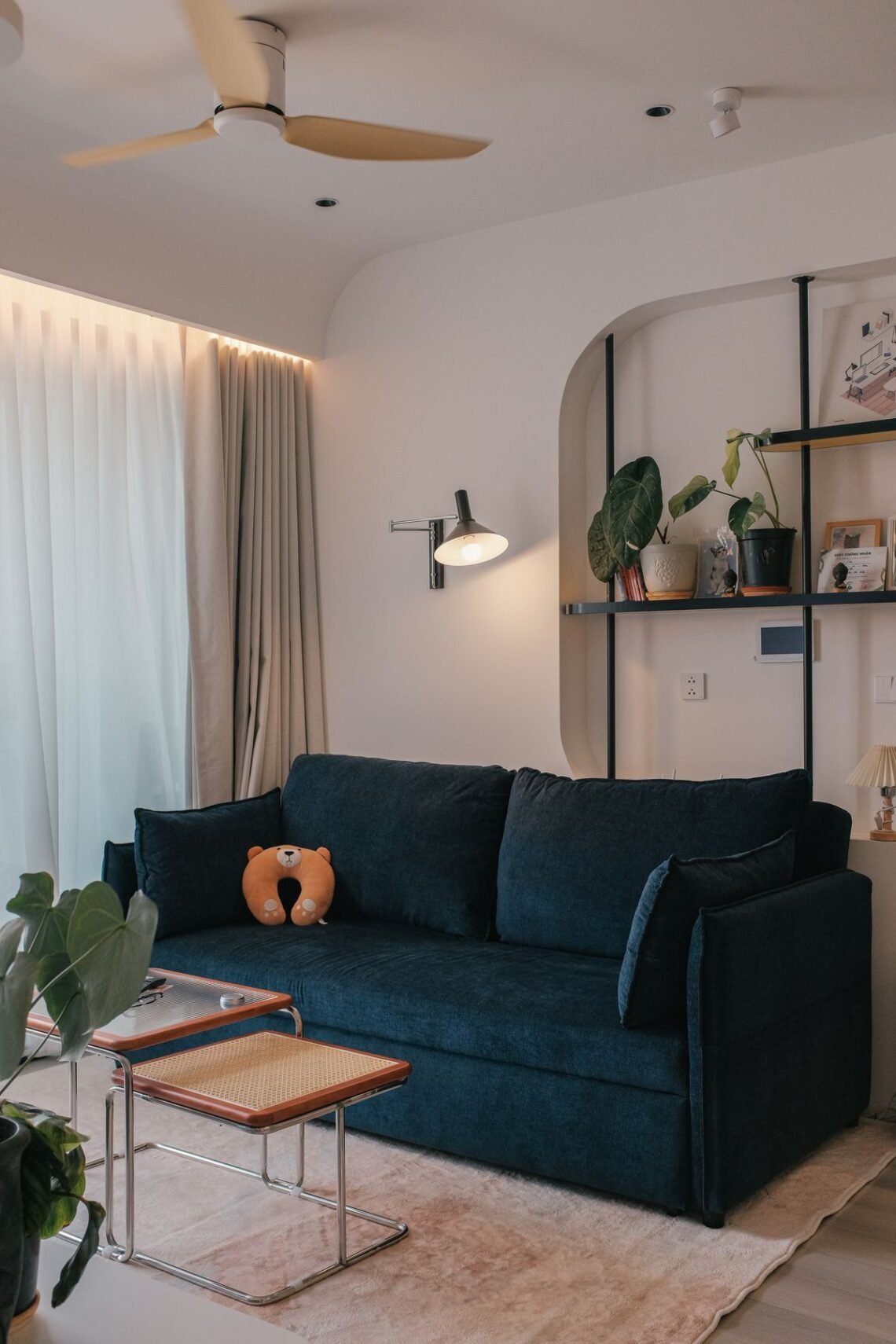
A room with too many competing colours can feel chaotic. Choose a simple palette — one main neutral, one or two supporting colours, and one accent used sparingly — and repeat them in cushions, art, and throws.
Being Afraid of Colour Altogether
On the other hand, an all-white or all-beige room with no texture or contrast can feel cold and unfinished. Add warmth through wood, natural fibres, plants, and soft textiles. Texture can add interest even when the colour palette stays simple.
7. Choosing Rugs That Are Too Small
A rug that is too small can make a room look disjointed, as if the furniture is floating. In a living room, the rug should ideally sit under the front legs of the sofa and chairs. In a bedroom, it should extend beyond the sides of the bed so your feet land on something soft in the morning.
If a large rug is out of budget, layer a smaller rug over a plain, affordable base rug, or choose a rug that fits the main seating area rather than the whole room.
8. Forgetting Function and Comfort
A beautiful room that is uncomfortable to use will not stay beautiful for long. Avoid chairs that look good but are painful to sit in, coffee tables that are too high or low, and storage that is difficult to reach. Think about how you actually live in the room: where you sit, what you store, and how you move through the space.
Comfort also includes enough seating, a place for a cup of tea, and lighting for reading.
9. Decorating Too Quickly
Buying everything in one trip can lead to items that do not work together. Live in a room for a while, notice what you need, and buy gradually.
Start with the largest pieces, then add lighting, rugs, and finally smaller decor.
10. Copying a Look Without Adapting It
Photos online can be inspiring, but a look designed for a large, bright showroom may not suit a small flat. Adapt ideas to your own room’s size, light, and budget, and add personal items that make it feel authentic.
Conclusion
Most home decor mistakes come down to the same few issues: wrong sizes, poor lighting, clutter, and rushed decisions. By measuring first, layering light, choosing a simple colour palette, and buying gradually, you can avoid the most common pitfalls. Take your time, trust what feels comfortable, and remember that a home does not have to be perfect to be beautiful — it just has to work well for the people who live in it.


You May Also Like
Smart Storage Ideas for Small Homes
How to Set Up a Small Home Office