How to Set Up a Small Home Office
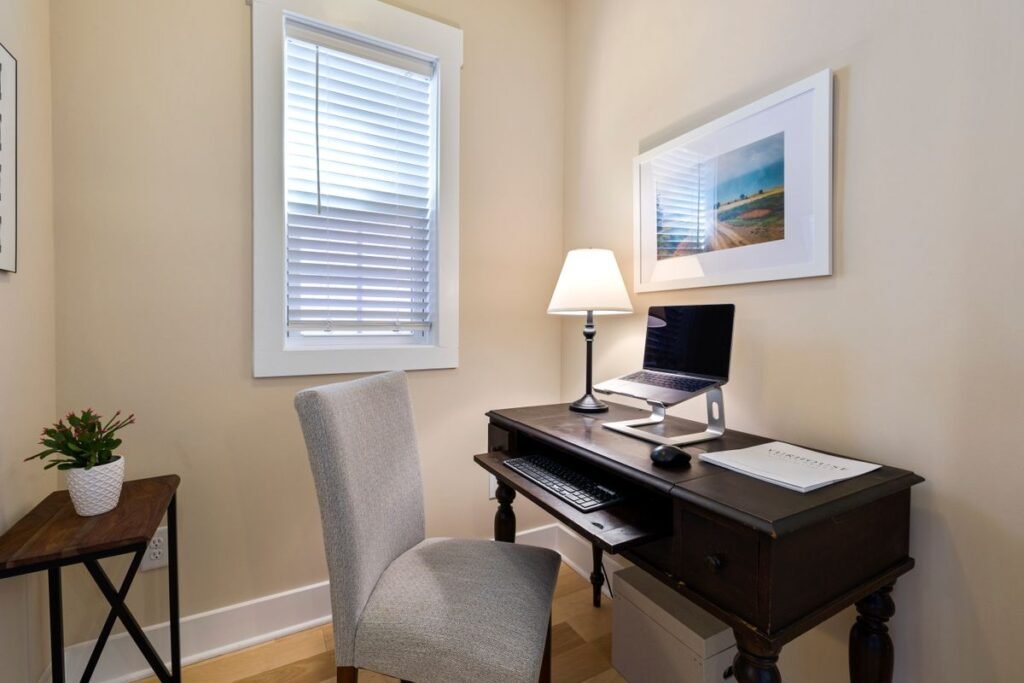
Working or studying from home is much easier when you have a dedicated space, even if that space is small. A clear, comfortable setup helps you focus, stay organised, and switch off at the end of the day. Without one, work can spread across the dining table, sofa, and bedroom, making it harder to concentrate and relax.
You do not need a separate room to create a good home office. A quiet corner, part of a bedroom, or a small nook can work well if it is planned carefully. This guide walks you through the basics, step by step, so you can build a setup that suits your work, your space, and your budget.
Choose the Right Spot
Look for Light and Quiet
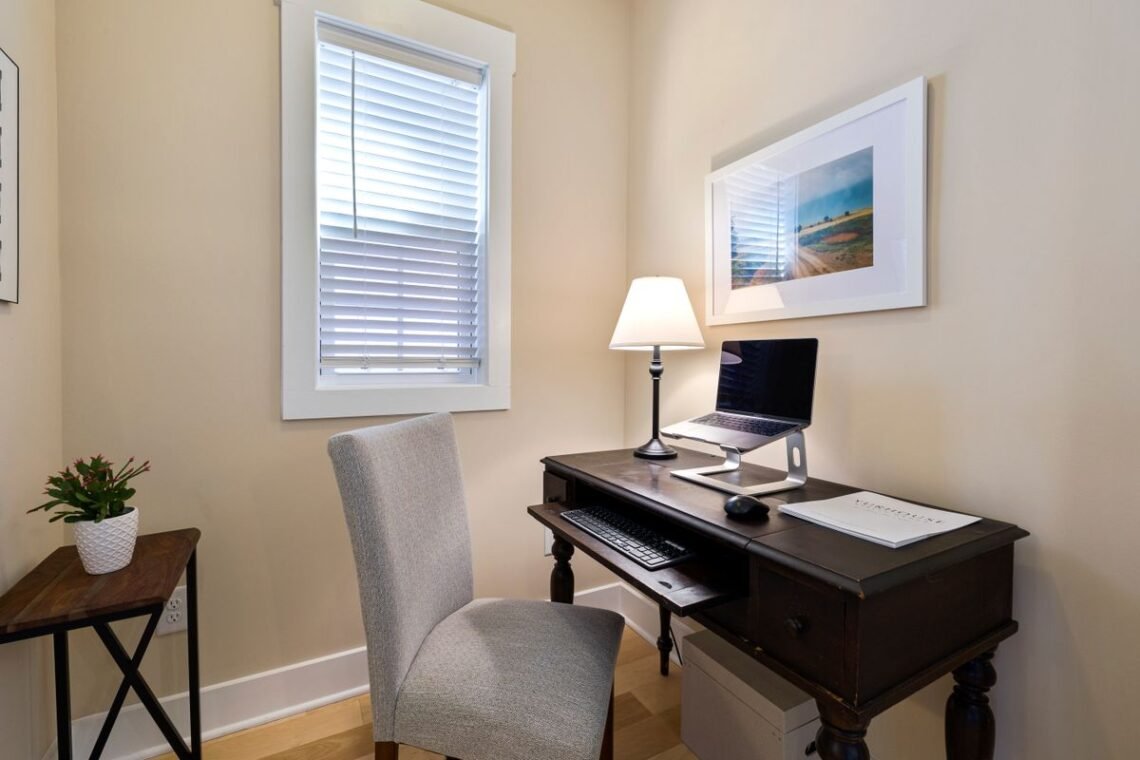
The best spot for a small home office is usually near natural light and away from the busiest part of the home. A window nearby can improve mood and reduce eye strain, but avoid sitting with bright light directly behind your screen, as this can cause glare. If possible, place your desk beside the window rather than directly facing it.
If you share your home, choose a corner that is less likely to be disturbed during work hours. Even a small screen, curtain, or bookshelf can help create a sense of separation.
Measure Before You Buy
Small spaces leave little room for error. Measure the width, depth, and height of your chosen spot, including doorways and walkways, before buying a desk or chair. Leave enough room to pull your chair out comfortably and to open drawers or cupboards. A simple sketch on paper, with measurements noted, can prevent costly mistakes.
Pick the Essentials First
A Desk That Fits Your Work
Your desk does not need to be large, but it should fit your laptop or monitor, keyboard, and a notebook without feeling cramped. A wall-mounted fold-down desk is a great option for very small spaces, as it can be closed away when not in use. A simple, sturdy table can also work well and is often cheaper than a specialised office desk.
Keep the desktop as clear as possible, with only everyday items on it.
A Comfortable Chair Matters Most
If you spend several hours at your desk, prioritise a comfortable chair over decorative items. It should support your back, allow your feet to rest flat on the floor, and let you sit with your screen at eye level. A cushion or footrest can help with small height adjustments.
Get Your Screen and Lighting Right
Place your screen about an arm’s length away, with the top of the screen at or just below eye level. A laptop stand or a stack of books can raise a laptop to a better height. Use an external keyboard and mouse if you work for long periods, as this helps you maintain a more natural posture.
Good lighting reduces eye strain. Use natural light by day and a desk lamp with adjustable brightness for evenings, positioned so it does not shine into your eyes or onto your screen.
Organise a Small Space
Use Vertical Storage
In a small office, wall space is your friend. Floating shelves, a pegboard, or hooks can hold notebooks, headphones, chargers, and stationery without taking up desk space. A small filing box or magazine holder can keep papers tidy and easy to find.
Manage Cables
Cables can quickly make a small desk look messy and feel frustrating. Use cable clips, a small cable tray, or a basket to keep chargers and wires together. Keep a power strip within reach but out of sight, and coil any extra cable length with a reusable tie. A tidy desk is easier to work at and easier to clean.
Create a Daily Reset Habit
At the end of each workday, spend two minutes clearing your desk and putting papers away. This helps you start fresh and switch off, especially if your office is in a living area or bedroom.
Make It Inspiring — Without Distraction
A home office should feel pleasant, but not distracting. One or two personal touches, such as a framed photo, a plant, or a favourite mug, can make the space feel yours. Avoid filling the desk with decorations that take up work space or draw your attention away from tasks.
Light, calm colours tend to work well for focus, while a small pop of colour in a notebook or art print can add energy.
Set Boundaries and a Routine
Try to start and finish work at similar times each day, and avoid working from your bed or sofa when you have a desk available. Let others in your home know your work hours, and take regular breaks to stretch and step away from your desk.
Budget-Friendly Setup Checklist
You can build a good small home office gradually. Start with the essentials, then add extras over time:
- Desk that fits your space and work style
- Comfortable, supportive chair
- Laptop stand or monitor at eye level
- Desk lamp with warm, adjustable light
- Small shelf or storage box for papers and supplies
- Cable clips or tray to keep wires tidy
- One plant or personal item to make the space pleasant
Check what you already own before buying new items.
Conclusion
Setting up a small home office is about making smart choices, not having a large room. Choose a quiet, well-lit spot, invest in a comfortable chair, keep your desk clear, and use vertical storage to make the most of limited space. With a simple setup and a daily reset habit, even a tiny corner can become a productive, comfortable place to work — and a space you enjoy using every day.

You May Also Like
Smart Storage Ideas for Small Homes
Small Bedroom Ideas on a Budget